
Top 6 Indoor & Outdoor Furniture Trends to Watch in 2025
Comfort, sustainability, and the natural integration of indoor and outdoor spaces
Introduction
As the expectations of lifestyle shift and design develop, the tendency of furniture in 2025 reflects comfort, stability and increasing desire to remain indoor-outdoor. Whether you are presenting a villa, resort, apartment, or restaurant, beyond the trends ensures timeless, functional design.
Return to Natural Materials
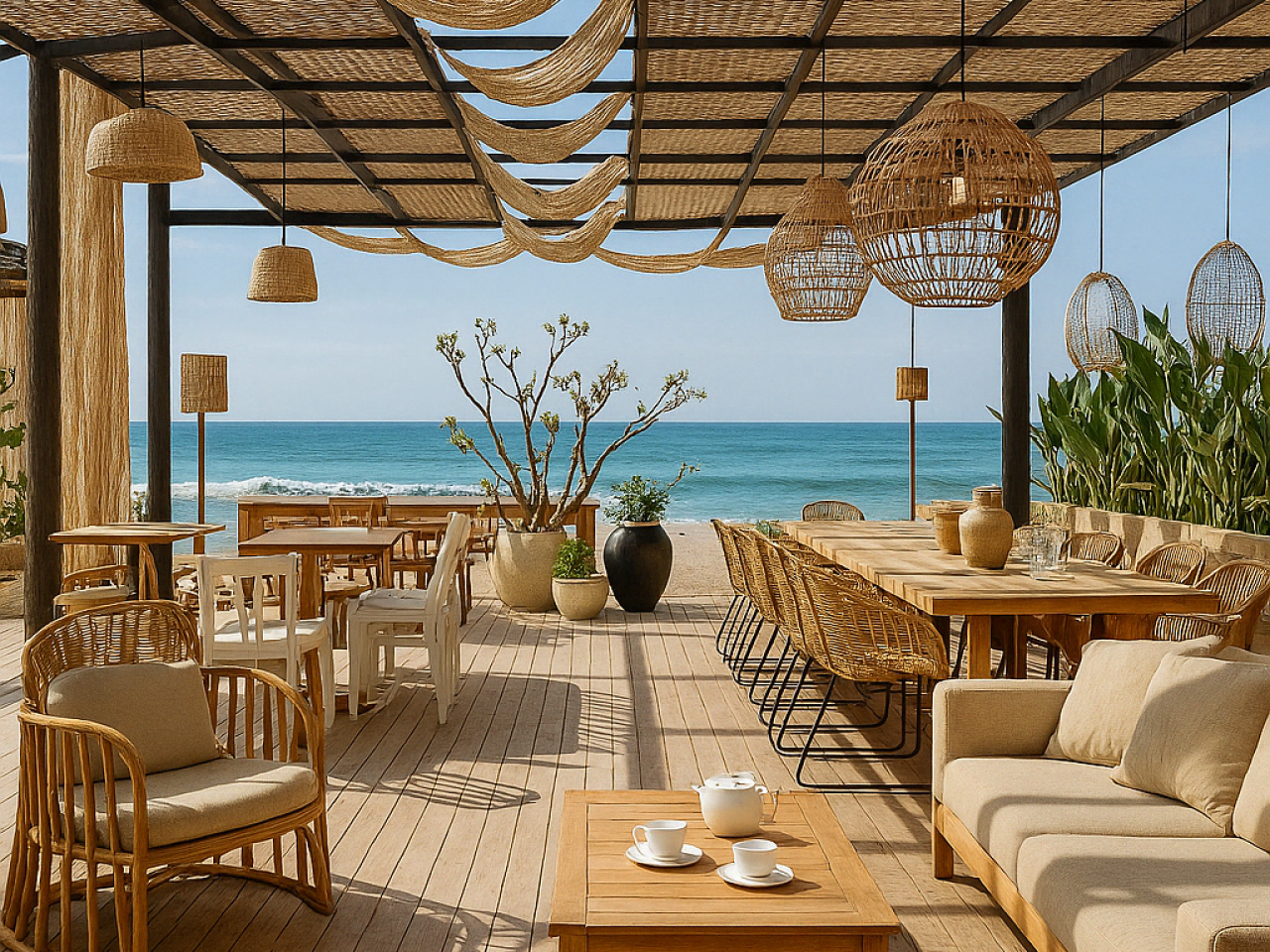
In 2025, customers are giving priority to hot, soil aesthetics. Teak Wood continues to lead the market, especially in external furniture, thanks to its durability and timeless grains. Outside the house, walnuts and ash wood are favorite for dining tables and bed frames. Linen and cotton mixtures such as natural fabrics are used to create a comfortable and respiratory environment on cushions.
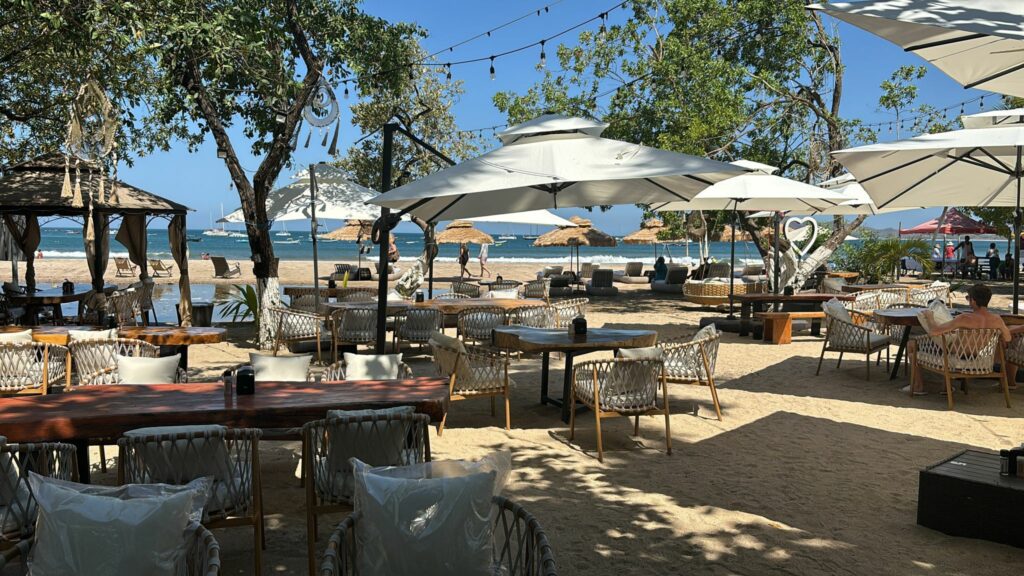
A seaside resort style villa project we completed in Costa Rica featured a full set of teak dining table and chairs that blended perfectly with the tropical natural landscape.
Return to Natural Materials
Rope weaving and synthetic rattan are no longer limited to traditional garden chairs. In 2025, they are integrated into luxury loungers, bar stools and even bed headboards. The aesthetic value of the Handwane texture combined with UV-and moisture-resistant materials, makes them ideal for hospitality projects in coastal areas.
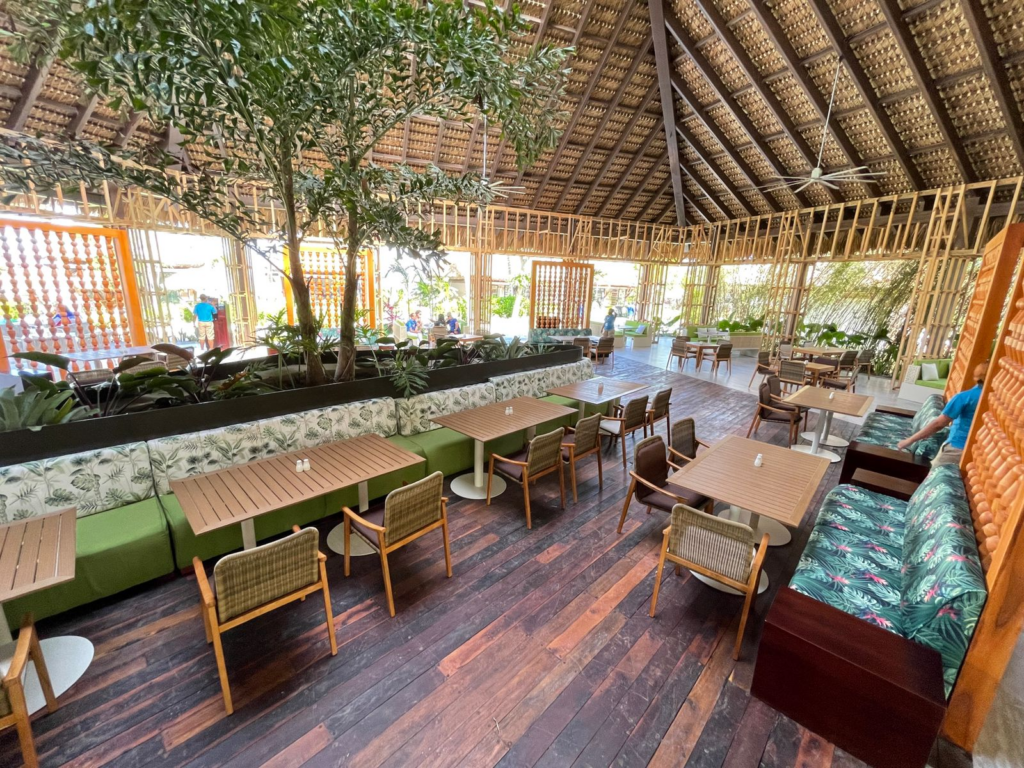
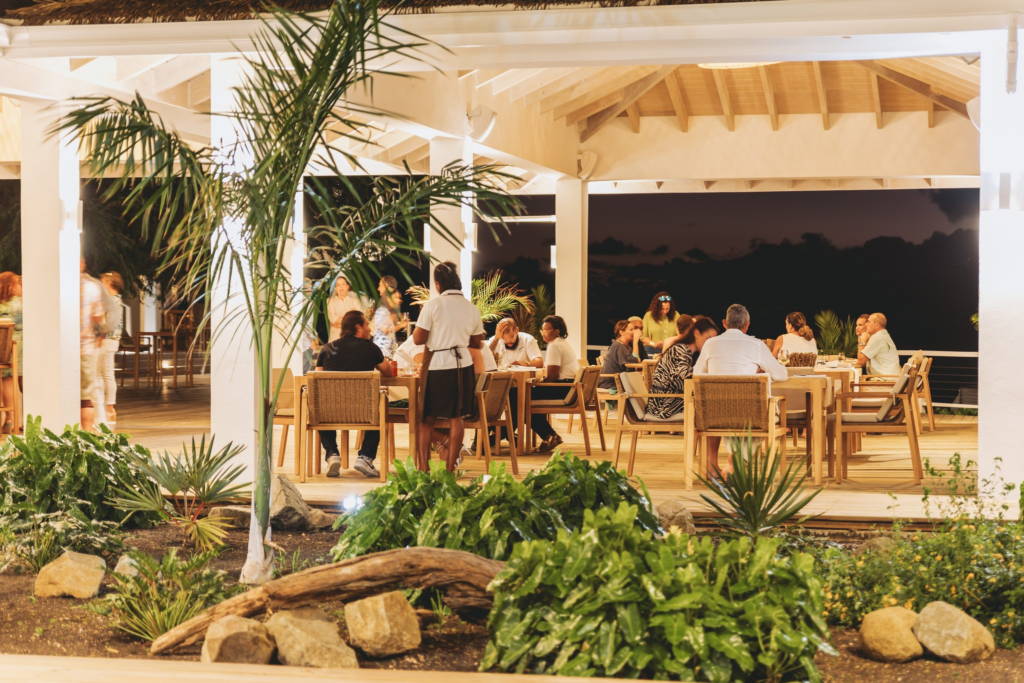
For a resort restaurant project in the Dominican Republic, we provided rattan chaise lounges and custom hand-woven dining chairs to add a sophisticated and durable visual focal point to the tropical ambiance.
Modular and Mobile Designs
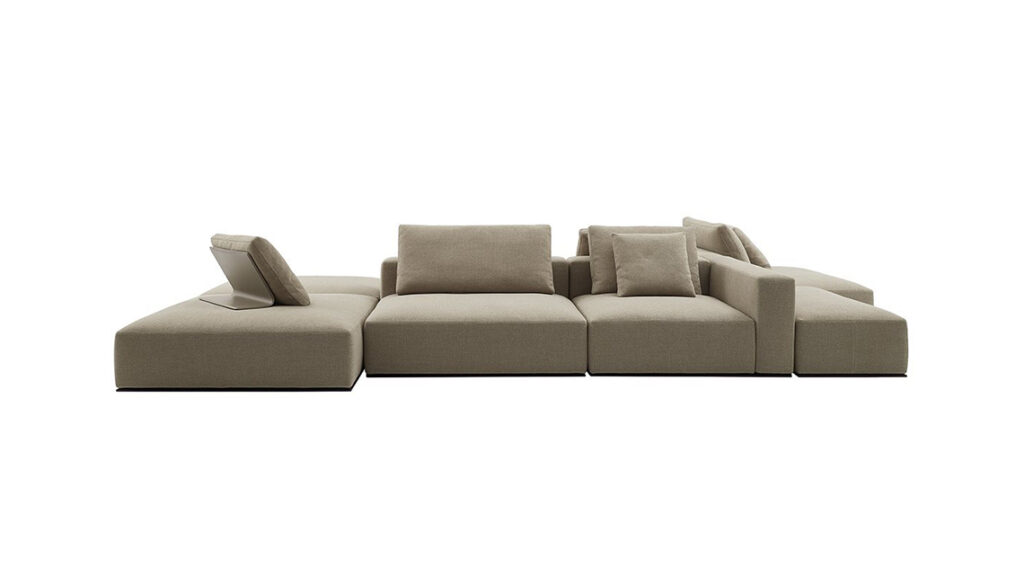
Space-saving and flexible configurations are crucial for modern hospitality design. Modular sofas can be rearranged into L-shape or U-shape layouts depending on group size. Stackable outdoor chairs are essential for event spaces and restaurants. Side tables with wheels allow for easy relocation around pool decks or balconies.
Blurring Indoor-Outdoor Boundaries
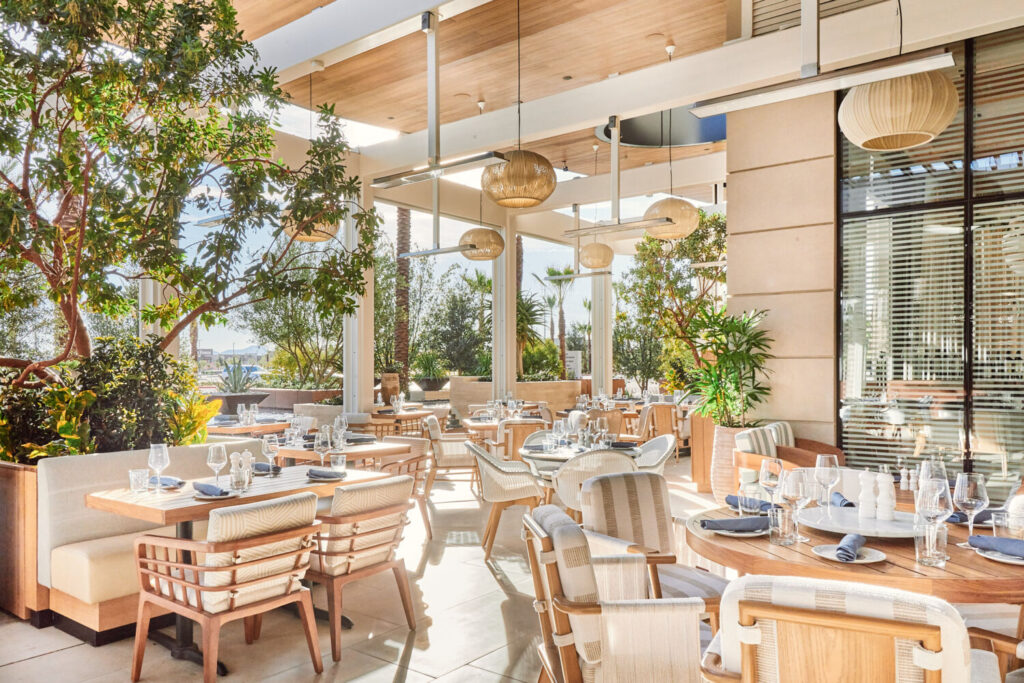
Architects and designers are working to create spaces that blend indoor comfort with outdoor openness. Furniture design reflects this fusion – armchairs made of weatherproof rope resemble living room seating, while outdoor tables have sophisticated lines and finishes normally found indoors.
Mediterranean & Tropical Influences
Soft arches, sandy tones, and ocean-inspired palettes are dominating 2025’s design themes. Furniture silhouettes are curvier, and color schemes feature whites, olive greens, and soft corals. This aesthetic aligns well with boutique resorts, beach restaurants, and spa lounges.
Demand for Customization Continues
Customers are rapidly requested for tailoring size, upholstery and finish. There are some examples on cushions, color-colored outdoor sets, and space-friendly lounge chairs. In 2025, large -scale privatization is important to stand in hospitality places.
1.Consumer Demand for Individual Expression
As living standards rise, modern consumers seek more than generic products—they crave personalized spaces that reflect their unique identities. Younger demographics like Gen Z and millennials, now the primary buyers, prioritize self-expression through home decor.
For instance, a gaming enthusiast might demand a custom study integrating ergonomic gaming setups with sleek aesthetics—something mass-produced furniture can’t deliver. Higher disposable incomes and evolving value systems also make consumers willing to pay premiums for tailored solutions: Studies show over 65% of buyers actively seek customized products, with 32% ready to invest 20%+ more for “one-of-a-kind” designs.
2.Technological Enablers: From Supply Chain to Design Tools
- Smart Supply Chains: Advanced logistics and production software streamline the journey from customer concept to final product. AI-driven systems optimize material sourcing, production scheduling, and delivery, ensuring personalized orders are fulfilled efficiently.
User-Friendly Customization Tools: The democratization of design software has been pivotal. Free or low-cost platforms integrated into e-commerce sites allow shoppers to visualize and tweak every detail—from fabric textures and color palettes to modular storage configurations. This interactive experience not only boosts engagement but empowers consumers to feel like “designers,” driving purchase confidence.
3.Cultural Shifts and Social Influence
- In the age of Instagram and TikTok, home decor has become a social currency. Customized spaces generate higher engagement on social media, with #HomeDecor and #CustomFurniture trending among millions of users. Influencers and celebrities further fuel this trend by showcasing personalized homes, shaping consumer preferences toward unique, share-worthy designs.
This customization revolution isn’t just a fad—it’s a fundamental shift in how consumers interact with brands, driven by the timeless human desire for uniqueness, enabled by technology, and amplified by a connected world.
Conclusion
As the furniture industry continues to evolve, the trends of 2025 reflect a broader shift toward personalization, sustainability, and thoughtful spatial design. Whether you’re designing a private residence, a hospitality space, or a public venue, understanding these movements helps inform better choices—in aesthetics, materials, and functionality. Staying attuned to these changes is not about following fashion, but about creating spaces that feel relevant, durable, and truly well-considered.
you may also like
How Much Does Custom Furniture Cost in 2025?
How Much Does Custom Furniture Cost in 2025? A Complete Guide for Indoor & Outdoor Projects Table of Contents introduction Thinking of investing in custom-made furniture for your home, resort,…
Why are velvet sofas the best choice for pet owners?
Why are velvet sofas the best choice for pet owners? Table of Contents I. Introduction: The Pet Owner’s Sofa Nightmare For many pet owners, choosing a sofa feels like a…