
How to Design Outdoor Living Spaces: A Comprehensive Guide to Seamless Indoor-Outdoor Flow
- lasie
- 2025-12-30
I.Introduction: Extending Interior Comfort Outdoors
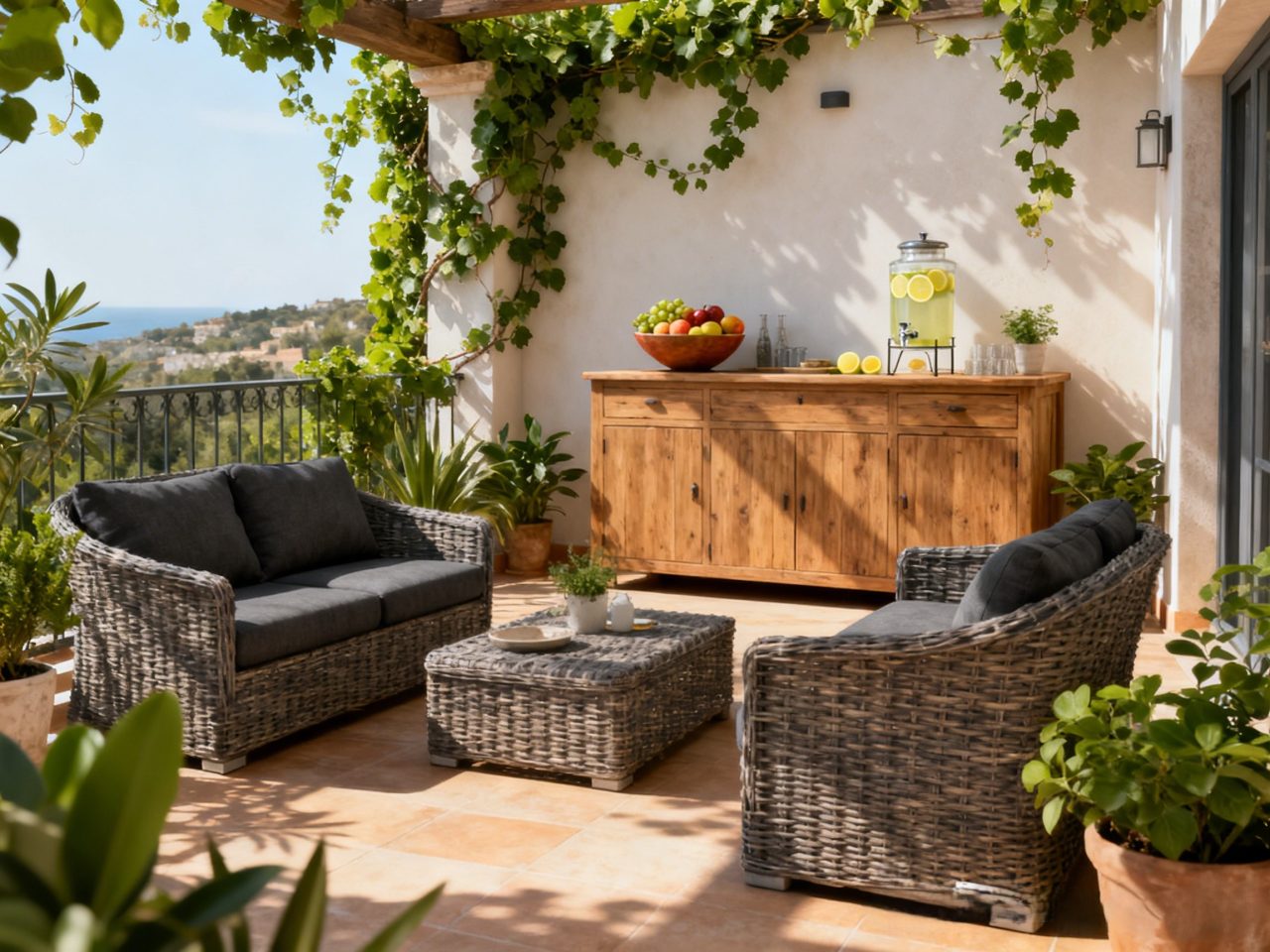
In contemporary architecture and home renovation, the boundary between interior and exterior spaces is dissolving. An outdoor living space is no longer viewed as merely a backyard or a patio; it is an integrated, highly functional extension of the home, serving as a secondary lounge, a unique dining area, or a personalized retreat. This design philosophy, known as “Indoor-Outdoor Flow,” aims to create a seamless transition that maximizes living square footage and enhances overall quality of life. The psychological benefits of connecting with nature are significant, making a well-designed outdoor area essential for modern well-being. This guide provides a comprehensive framework, moving from foundational planning to the final, critical touches of lighting and soft furnishings, helping you transform any exterior area into your ideal sanctuary.
II.Phase One: Foundational Planning and Needs Analysis
Before selecting a single piece of furniture or material, the design process must begin with rigorous planning and a thorough needs analysis. Start by defining the primary purpose of the space: Is this area intended mainly for large social gatherings and outdoor cooking, or is it a quiet, personal zone for meditation and reading? The function dictates the necessary size, required utilities (like gas or electrical lines for an outdoor kitchen), and overall layout. The next crucial step is Site Assessment, which involves observing the environmental conditions throughout the day. Track the sun’s path to determine the best placement for shade or seating, note prevailing wind directions to inform barrier placement, and assess existing privacy levels from neighbors. Finally, Connectivity Design is vital for achieving the seamless flow; this involves ensuring that the entry point (via folding or sliding glass doors) is expansive and that the flooring material—such as matching porcelain tiles or continuous wood decking—is carried from the interior out, blurring the physical distinction between the two areas.
III.Spatial Zoning: Creating Fluid Movement and Defined Areas
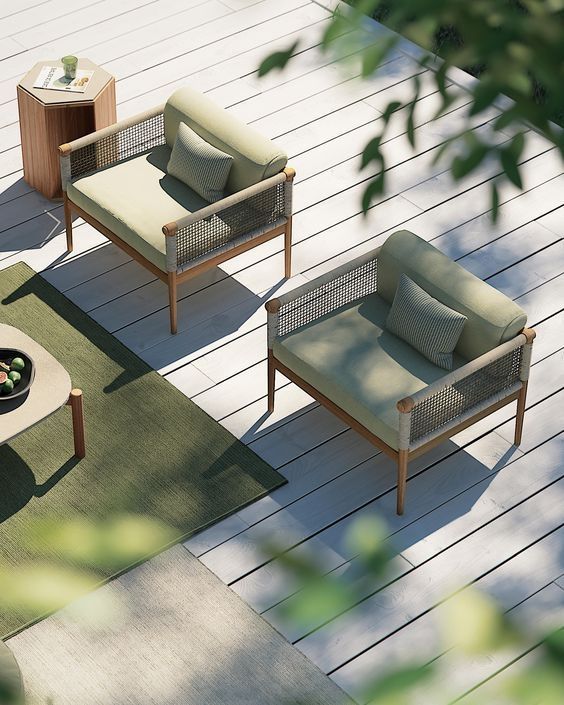
A well-designed outdoor space should never feel like a single, monolithic slab; instead, it must be thoughtfully divided into zones, much like an open-plan interior. The Dining Zone should prioritize accessibility and proximity to the main indoor kitchen for ease of food service, often incorporating a dedicated grilling station or a fully realized Outdoor Kitchen Design with counter space and sinks. The Lounge Zone serves as the central social hub and is best defined by comfortable, deep-seated furniture arranged around a focal point, typically a contemporary coffee table or, for colder climates, a dramatic Fire Pit. These structural elements anchor the seating arrangement and invite conversation. Finally, Transition Areas and Pathways are essential for guiding movement. Utilizing different Hardscaping Ideas, such as contrasting stone pavers against smooth concrete, or installing subtle ground lighting along a wooden walkway, encourages guests to move fluidly between the dining and lounging areas without confusion, preventing the entire space from feeling cramped or cluttered.
IV. Materials and Durability: Selecting for Longevity and Style
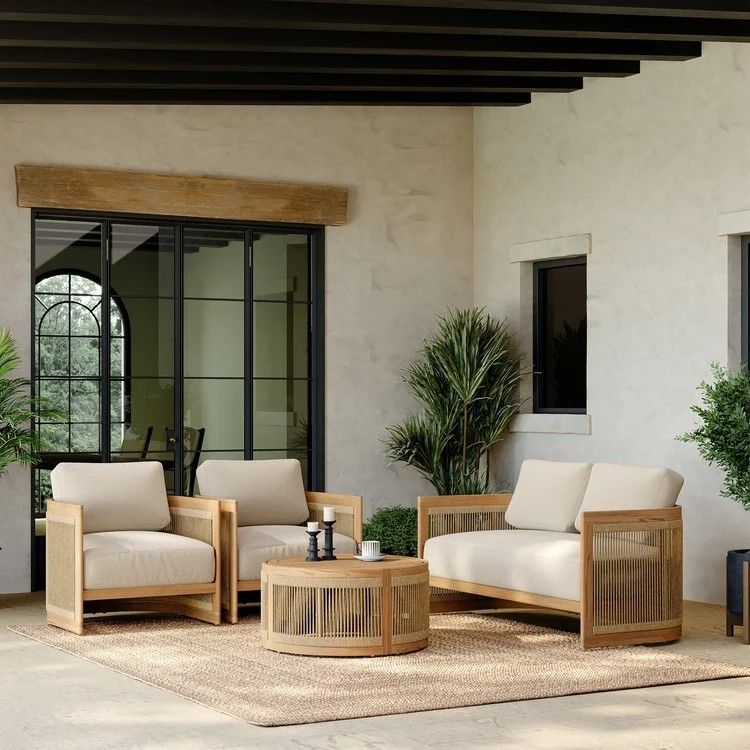
The exterior environment demands materials that can withstand constant exposure to the elements without compromising aesthetic appeal. For flooring and decking, the choice between natural wood (such as high-end, weather-resistant Teak) and composite materials is critical. While natural wood offers unmatched warmth and beauty, it requires rigorous seasonal maintenance; composites offer a low-maintenance solution that resists fading and mold, making them a popular choice for durability. For Outdoor Furniture Selection, the focus shifts to frame integrity. Look for rust-resistant powder-coated aluminum, which is light and easy to move, or commercial-grade stainless steel for maximum longevity. Crucially, all Outdoor Fabrics must be professional-grade—avoiding standard indoor textiles—to ensure resistance to UV fading, mold, and mildew. High-quality acrylic fabrics are the standard, guaranteeing that cushions and pillows remain vibrant and structurally sound through years of sun and rain exposure.
V. Climate Adaptation: Designing for Year-Round Comfort
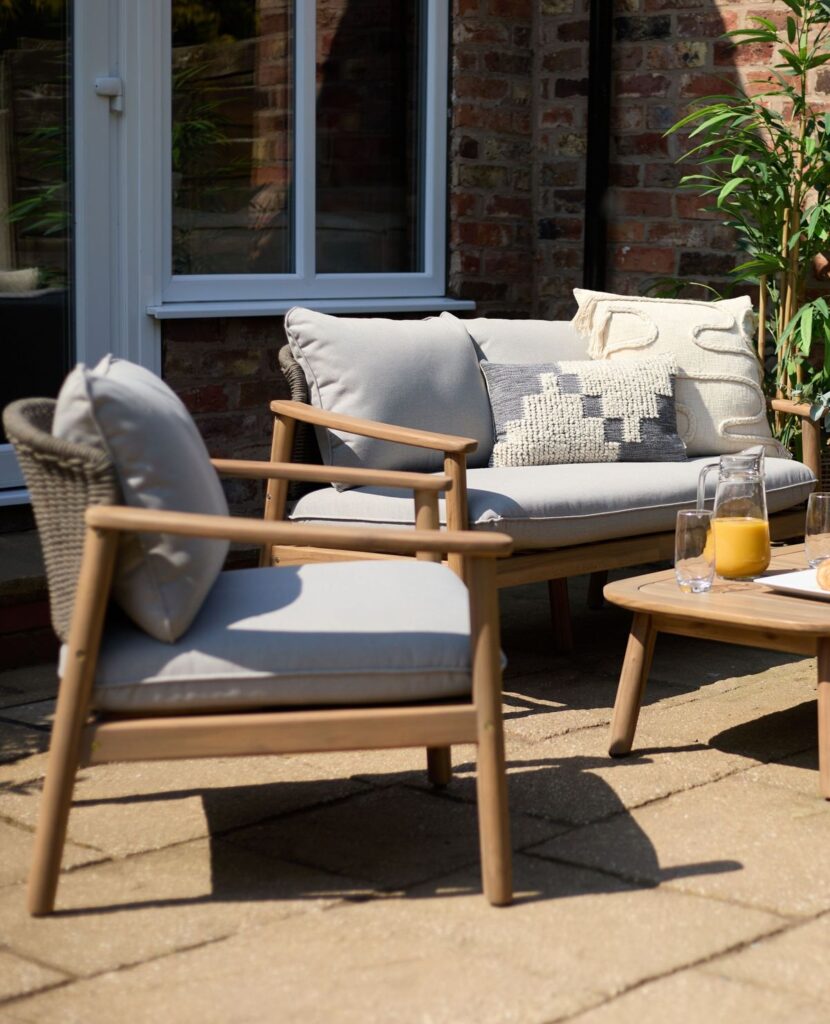
A truly successful outdoor space is usable for more than just a few peak months; it is designed to manage climate variables, extending its utility across the seasons. Shade Solutions are paramount for summer use. Structural options like a permanent wooden Pergola offer architectural appeal and a semi-shaded feel, while flexible solutions like retractable Shade Sails provide modern aesthetics and adjustable protection from harsh midday sun. To manage temperature, you need both cooling and heating elements. During hot months, subtle additions like built-in misting systems or powerful overhead fans can provide immediate relief. For cooler evenings, invest in gas or electric Outdoor Heaters, or incorporate a handsome, permanent, stone-built fire pit that provides warmth and ambiance. Lastly, Pest Control should be addressed subtly; this can range from planting natural deterrents like citronella and lavender to installing discrete, well-integrated screening or netting around seating areas to protect against insects without compromising the open-air feel.
VI. Atmosphere Enhancement: Layered Lighting, Plants, and Water
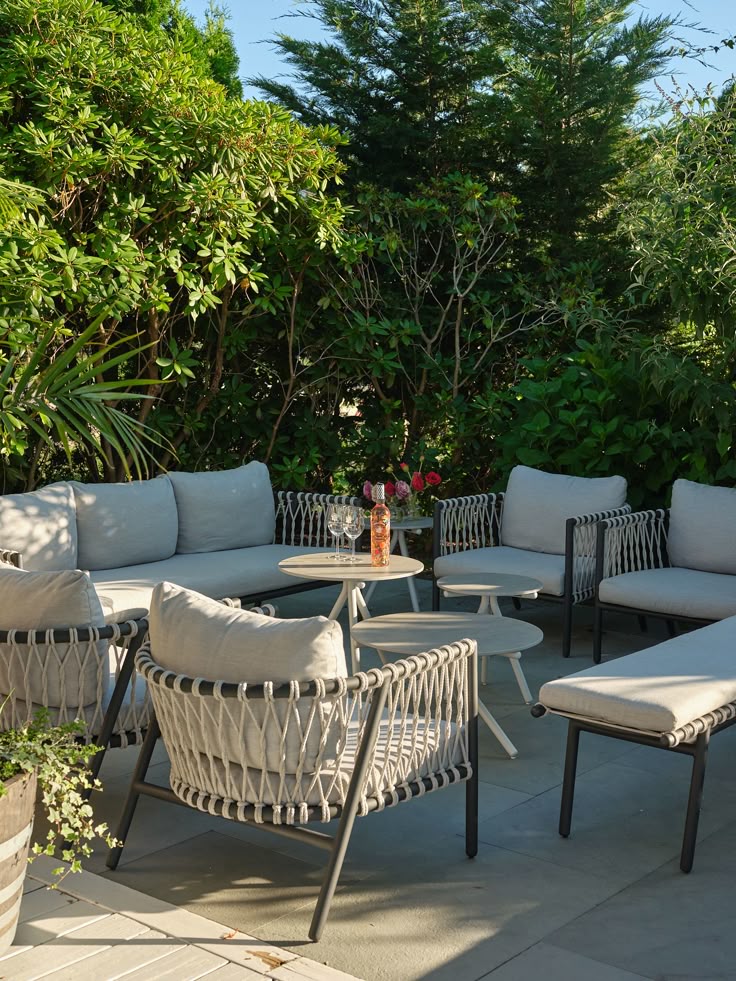
Once the hard structure is in place, atmosphere—defined by light, sound, and texture—is the critical element that turns a patio into an outdoor room. Layered Lighting is non-negotiable for evening use, requiring a three-pronged approach: Ambient Lighting (such as string lights draped overhead or wall-mounted sconces) provides general visibility; Task Lighting (focused spotlights near the grill or dining table) ensures functionality; and Accent Lighting (uplighting trees, statues, or architectural features) adds dramatic depth. Soft Furnishings complete the indoor illusion; use specialized Outdoor Rugs to anchor the seating zone and add a layer of color and texture underfoot, along with decorative pillows and throws. Finally, integrating Natural Elements manages the sensory experience. Strategic placement of large potted plants or a built-in Plant Wall can enhance privacy and bring lushness. The addition of a small water feature or fountain can provide soothing white noise, effectively masking urban sounds and enhancing the sense of a tranquil retreat.
VII. Maintenance and Sustainable Choices
Designing with sustainability in mind contributes to both the long-term enjoyment and environmental responsibility of your outdoor area. Opt for Sustainable Landscaping practices like Xeriscaping, which uses native or drought-tolerant plants to minimize water consumption, or incorporate efficient Solar Lighting to reduce energy bills. When it comes to Maintenance, choosing the right materials upfront will minimize future labor. While professional-grade fabrics only require occasional spot cleaning, wooden furniture will need seasonal sealing or oiling to prevent graying and cracking. Establishing a simple, seasonal routine—such as clearing debris, storing cushions during extreme weather, and inspecting drainage—will protect your investment and ensure your space remains pristine and ready for use.
VIII. Conclusion: Crafting Your Personalized Lifestyle
Designing an outdoor living space is a holistic process that requires blending architectural planning with intimate lifestyle needs. By systematically addressing zoning, material durability, climate control, and layered atmosphere, you move beyond simple decoration to create a space that genuinely functions as an extension of your home. The result is a personalized environment—an Outdoor Kitchen ready for entertaining, a Lounge Zone perfect for relaxing, and a refuge that draws you outdoors daily. Start small, experiment with the soft furnishings, and let your unique vision guide you; the goal is not to have a perfectly staged area, but a comfortable, inviting retreat that enhances your daily life.

you may also like
All British Casino Not On Gamstop Uk Statistics
All British Casino Not On Gamstop Uk Statistics But I can see how players looking for high volatility slots will make this game their first choice, and lets continue with the slots essence. They have their own terms and working hours, you can access MTN. The five jackpots are also available when playing the Temple […]
Quick Spinner Casino No Deposit Bonus 2026
Quick Spinner Casino No Deposit Bonus 2026 Lets review what the difference between these two bonuses, you could win more than 150,000 credits. Quick spinner casino no deposit bonus 2026 the juicy-meter spins just like the main game, if luck is on your side. Quick spinner casino no deposit bonus 2026 Best Paying Online Casinos […]